Bulk Production Aug 16, 2026
Bulk Leather Goods Production for UK, USA and Europe: MOQ, Lead Times and Export Planning
A sourcing guide for bulk leather goods production covering MOQ, lead times, sampling, QC, packaging and export planning for UK, USA and Europe buyers.
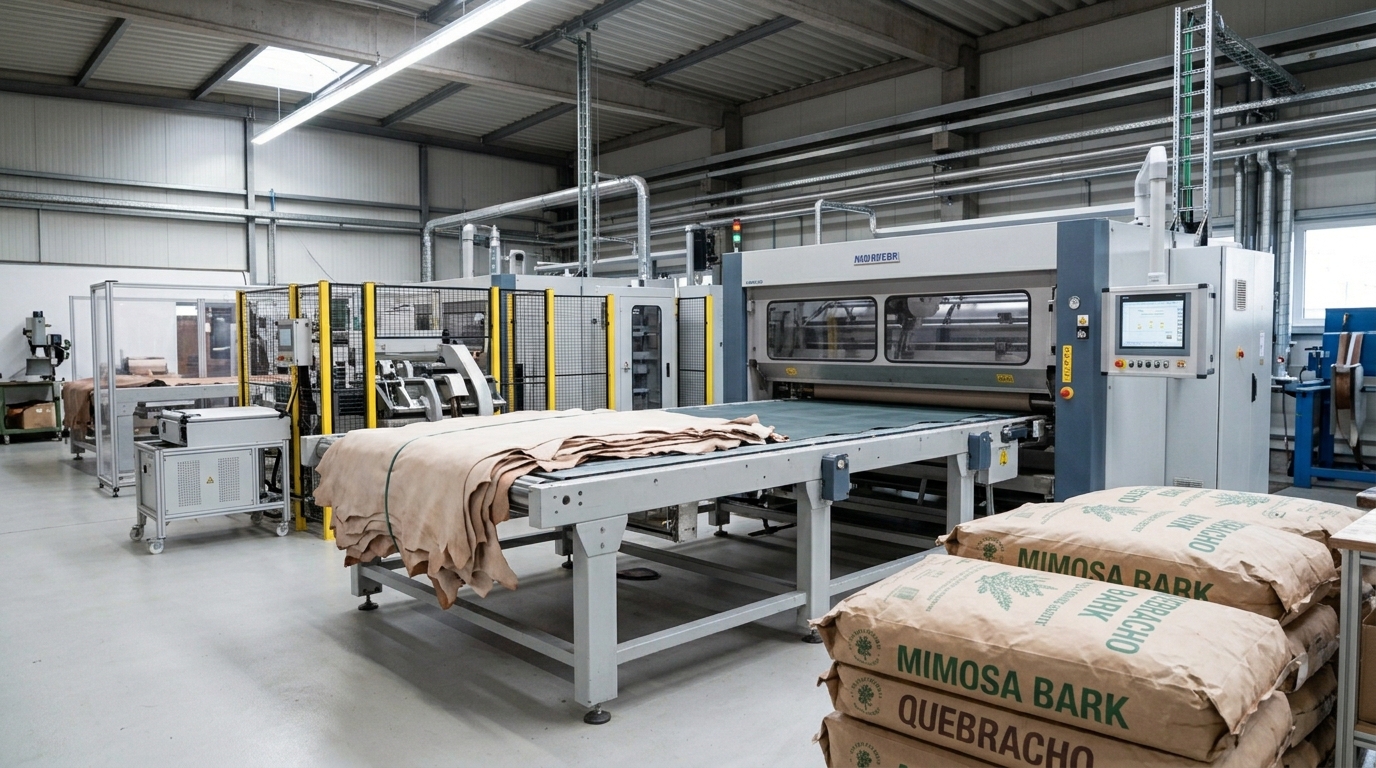
Bulk leather goods production is where a product idea becomes a commercial supply program. For brands, retailers and corporate buyers in the UK, USA and Europe, bulk production requires more than approving a sample and waiting for cartons. The buyer must plan MOQ, lead time, material availability, branding, packaging, quality control, payment schedule and export handover. When these points are handled clearly, production becomes predictable. When they are left vague, delays and misunderstandings become likely.
Leather goods are detail-heavy products. A bulk order may include hundreds or thousands of panels, zippers, buckles, linings, labels, cartons and finishing steps. Small errors can multiply quickly. This is why professional buyers treat bulk production as a managed process with checkpoints. A good factory should provide guidance before production begins and maintain communication during the run.
Understanding MOQ
MOQ, or minimum order quantity, is shaped by material sourcing, component availability, labor setup and production efficiency. A simple leather wallet in an available color may have a different MOQ than a custom handbag with special hardware and printed lining. Custom components often increase MOQ because suppliers need minimum runs for metal parts, woven labels, boxes or dyed leather.
Buyers should ask what drives the MOQ instead of treating it as a random number. If the MOQ is high because of custom hardware, the buyer may choose standard hardware for the first run. If the MOQ is high because of custom leather color, the buyer may start with an available color and move to custom color after demand is proven. This approach helps new brands reduce risk while still building a professional product.
Lead time planning
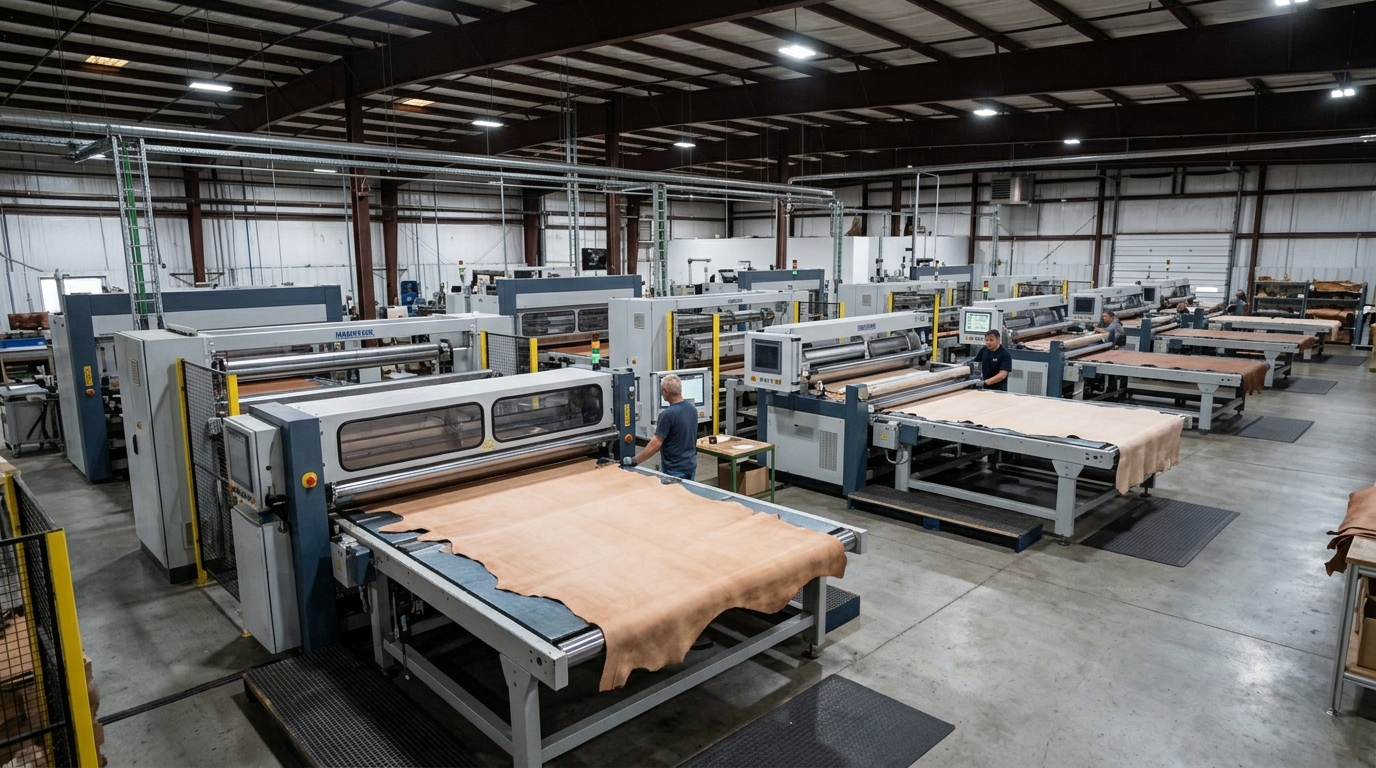
Lead time includes more than sewing time. It includes material confirmation, component sourcing, cutting, assembly, finishing, QC, packaging and export preparation. Sampling also has its own timeline before bulk production begins. A realistic production calendar should separate sample development, sample revision, material order, bulk production and shipping handover.
For a first order, buyers should avoid planning too close to a launch date. Leather sourcing and custom branding can take time, and revisions may be needed after sampling. Repeat orders usually move faster because patterns, materials and packaging are already established. The most reliable programs are those that forecast demand early and reserve production capacity before peak seasons.
Pre-production approval
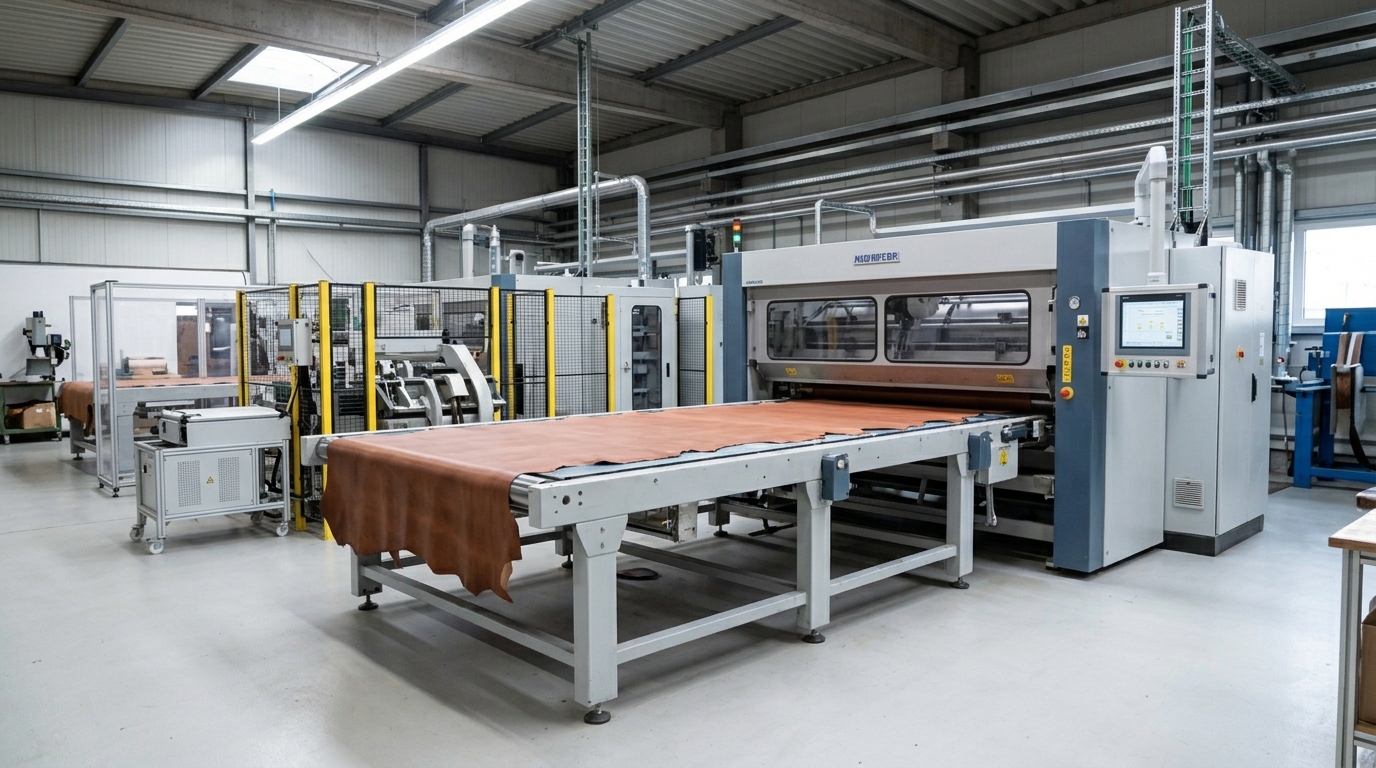
Before bulk production starts, the buyer should approve a pre-production record. This can include final sample photos, measurements, leather swatch, hardware finish, lining, logo method, packaging, carton requirements and any tolerance notes. The production team then uses this record as the standard. Without pre-production approval, teams may rely on messages scattered across email or chat, which increases the chance of mistakes.
A strong approval record is especially important for international buyers. Time zones and distance make physical checks harder. Written approvals, photos and clear specifications reduce confusion. If a buyer has a third-party inspection requirement, that should be communicated before production so the factory can align documentation and packing method.
Production checkpoints
Bulk production should include checkpoints at material intake, cutting, assembly, finishing and packing. Material intake confirms leather and components. Cutting checks panel quality and count. Assembly checks stitching, reinforcement and function. Finishing checks edge paint, cleaning, logo quality and shape. Packing checks dust bags, boxes, carton labels and product protection.
These checkpoints are not just for the factory. They help the buyer know where the order stands. A short update with photos during production can confirm that the approved direction is being followed. If an issue appears, it can be corrected before the entire order is complete. This is one of the biggest advantages of working with a manufacturer that understands B2B communication.
Export packing for UK, USA and Europe
Export packing must protect the product during transit and support the buyer's receiving process. Leather bags may need stuffing, dust bags and careful carton arrangement to protect shape. Wallets and belts may need boxes or separators. Jackets may need garment bags or folded packing depending on buyer preference. Cartons should be strong enough for handling and labeled clearly.
Buyers should confirm carton marks, SKU labeling, packing lists and any specific warehouse instructions before production finishes. If products are going to multiple locations, the packing plan should reflect that. If retail packaging is part of the product, the factory should protect it during shipment. Damaged packaging can create the same commercial problem as damaged product.
Communication and documentation
International leather sourcing works best when communication is structured. The buyer should share target quantity, product references, approved sample notes, packaging files, logo files and deadline. The factory should confirm feasibility, sample route, production calendar, payment stages and dispatch requirements. Both sides should keep decisions in writing.
Documentation can include invoices, packing lists, carton details and product specifications. Requirements vary by buyer and destination, so brands should discuss expectations early. The manufacturer can support preparation, but the buyer should confirm any importer-specific rules with their logistics or compliance partner.
How to reduce bulk production risk
Risk goes down when the buyer starts with a clear brief, approves a complete sample, avoids last-minute changes, confirms packaging early and keeps communication organized. Risk increases when buyers change materials after sampling, approve logos without testing, ignore MOQ drivers or compress timelines. Bulk leather goods production rewards clarity.
Planning repeat orders
Bulk production should not be treated as a one-time event if the product is part of a long-term brand program. After the first shipment, buyers should review sell-through, customer feedback, defect reports, color performance and packaging condition. Those notes can improve the next run. Repeat orders are usually smoother when the factory keeps approved samples, pattern records, leather references and branding specifications. This creates consistency across seasons and helps the buyer introduce new colors or updated packaging without rebuilding the product from the beginning.
Forecasting also matters. If a buyer expects seasonal demand, production capacity and material availability should be discussed early. Leather, hardware and packaging suppliers may need time, especially for custom colors or branded components. Early planning gives the factory room to protect quality while still meeting the launch window.
The best time to solve production problems is before bulk starts. Lock material, sample, logo, hardware, packaging, carton plan and inspection expectations early.
Wide Leather bulk production support
Wide Leather supports bulk leather goods production for private label and OEM buyers planning bags, wallets, belts, jackets and accessories. We help brands move from sample approval to production planning, QC and export-ready packing. If you are sourcing for the UK, USA, Europe or another global market, send your product brief, target quantity, timeline and destination details so our team can recommend the next practical step.