Private Label Leather Goods Aug 12, 2026
Private Label Leather Bags: How Brands Build a Collection Without Owning a Factory
Learn how private label leather bag manufacturing works for brands, including collection planning, MOQ, sampling, branding, packaging and repeat orders.
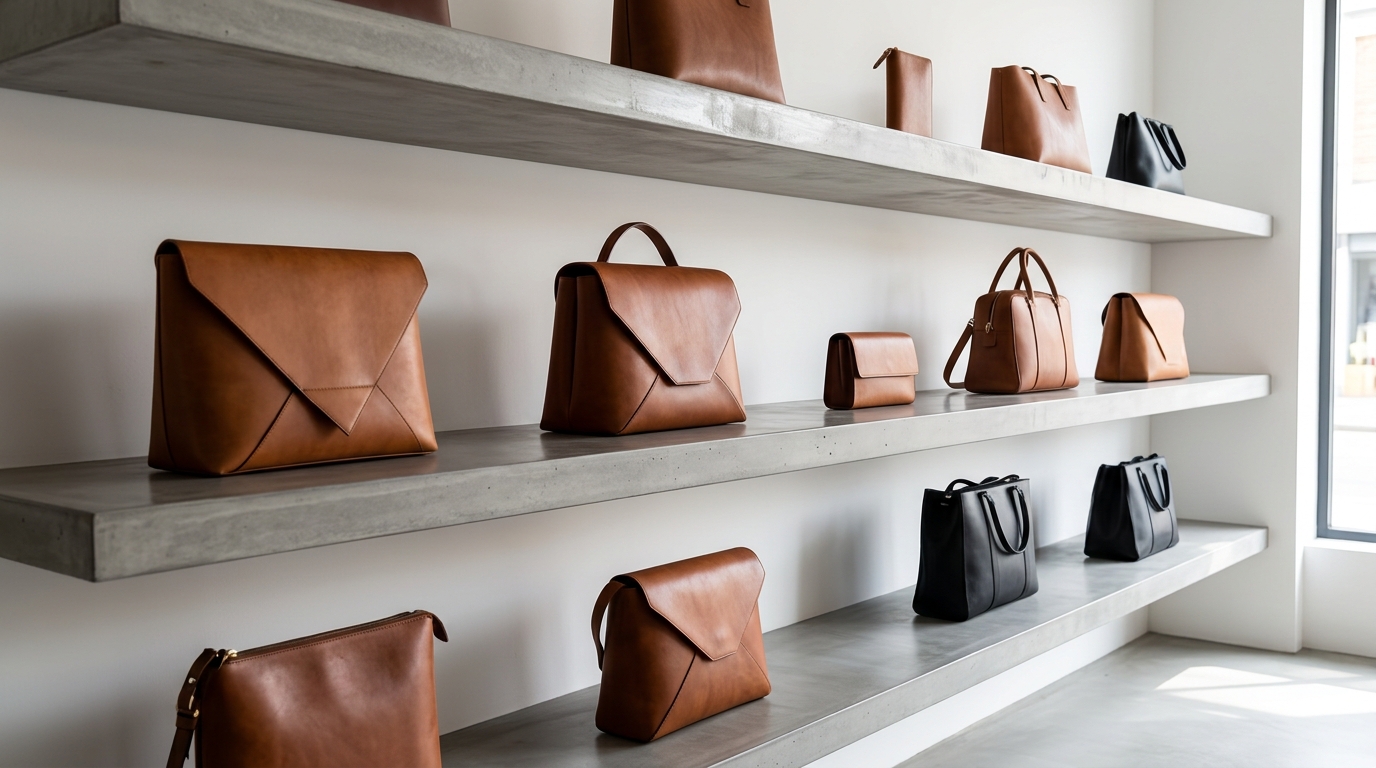
Private label leather bags allow a brand to launch a product collection under its own name without owning a factory. This model is popular with fashion labels, corporate gifting companies, boutique retailers, online stores and lifestyle brands that want control over design, logo, packaging and quality while using an experienced manufacturing partner. The buyer owns the brand experience; the factory handles technical development, sourcing, sampling, bulk production and export packing.
The opportunity is attractive, but private label manufacturing must be planned carefully. A leather bag is not just a shape with a logo on it. The buyer must decide product function, target customer, price position, material grade, lining, hardware, logo method, packaging and quantity. These decisions affect each other. A premium full-grain tote with custom brass hardware needs a different budget and lead time than a simple promotional pouch. A good manufacturer helps the buyer understand those tradeoffs before production begins.
Start with collection strategy
Many new buyers make the mistake of asking for too many styles at once. A stronger first collection usually starts with a small group of focused products: one hero bag, one wallet or small leather good, and one accessory that supports the same market. This makes sampling easier, keeps MOQ manageable and allows the brand to test demand before committing to a larger range. If the brand already has sales data, the factory can help improve the best styles for repeat orders.
A private label collection should be built around a clear customer. A UK boutique buyer may want clean silhouettes, subtle logo work and retail-ready packaging. A USA lifestyle brand may focus on practical work bags, crossbody bags, travel pieces and premium gifting. A European buyer may place extra emphasis on material consistency, finish quality and detailed product information. When the target market is clear, design and material decisions become easier.
Choose the right bag types
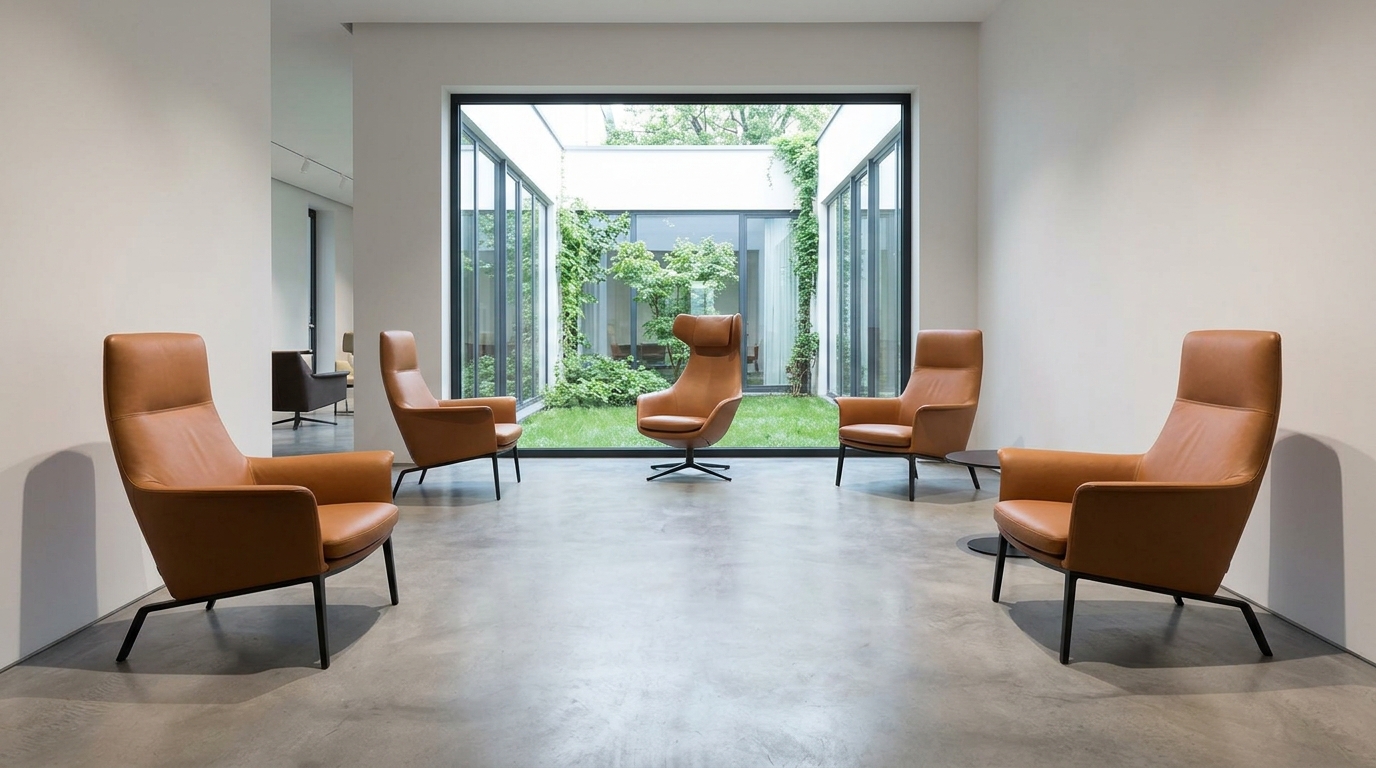
Private label leather bags can include totes, handbags, shoulder bags, crossbody bags, laptop bags, backpacks, duffle bags, cosmetic pouches and wallets. Each category has its own construction rules. Totes need handle strength, base structure and clean internal finishing. Laptop bags need padding, compartments and stress-point reinforcement. Crossbody bags need strap comfort, hardware durability and weight balance. Wallets require accurate cutting and edge finishing because small products expose detail quickly.
The best product choice depends on brand position and customer use. A premium brand should avoid overly generic silhouettes. Small changes in proportion, hardware, lining color, pocket layout and logo placement can create a distinctive collection without making production overly complex. The factory should advise which details are practical and which details may increase cost or create quality risk.
Understand MOQ and price bands
Minimum order quantity depends on product type, material availability, hardware, logo method and packaging. Custom hardware or custom lining usually needs a higher MOQ because suppliers must produce those components. If the buyer is testing the market, a factory may suggest using available hardware finishes and standard lining options for the first run. This keeps the program flexible while still allowing the brand to control logo and packaging.
Price is shaped by leather grade, cutting yield, complexity, labor time, hardware, lining, packaging and QC. Two bags with similar dimensions can have very different production costs if one has more panels, more pockets, heavier leather, edge paint, custom zip pullers or a complex logo method. Buyers should share target retail price and target landed cost early. This helps the manufacturer recommend a construction plan that supports margin instead of creating surprises after sampling.
Sampling is the collection rehearsal
Sampling proves whether the brand concept works in real leather. A sample lets the buyer test size, handle feel, opening, interior function, stitching, logo visibility and overall presentation. The sample should be reviewed against a written checklist, not only photographed for approval. If the buyer wants changes, the comments should be precise: reduce handle drop by 2 cm, move logo 1 cm lower, change lining to cotton twill, use darker edge paint, increase base firmness or adjust zipper length.
A complete private label sample should include the planned logo method and near-final material direction. If the first sample uses one leather and bulk production uses another, the buyer may not understand the final hand feel. Some projects require material swatches before sampling, especially when the brand is deciding between full-grain, top-grain, suede or nubuck. Swatches help buyers compare color, texture, thickness and finish under real light.
Branding and packaging matter
Private label value comes from more than the product. Logo embossing, debossing, foil stamping, woven labels, metal plates, zipper pullers, dust bags, boxes, hang tags and carton labels all shape the buyer experience. A subtle debossed logo may suit a premium minimalist brand, while foil stamping can work well for gifting programs. Custom hardware creates a strong brand signature but needs earlier planning and usually higher MOQ.
Packaging should be designed for retail presentation and shipment protection. Dust bags help protect leather and raise perceived value. Tissue wrapping, hang tags and boxes can support gifting or wholesale displays. Export cartons should protect shape, avoid crushing and include clear labels for warehouse handling. For UK, USA and Europe programs, packaging should also support the buyer's receiving process, not just look good in photos.
Repeat orders and long-term control
The strongest private label programs are built for repeat orders. Once the first collection is approved, the factory should keep technical notes, material records and sample references. This makes future production faster and more consistent. Buyers can then add new colors, expand sizes, introduce seasonal leather finishes or improve packaging without rebuilding the whole program from zero.
Private label success depends on clarity: product direction, quantity, leather grade, logo method, packaging and target market should be confirmed before bulk production.
How Wide Leather helps private label brands
Wide Leather supports private label leather bag programs from first concept to export-ready production. We help buyers plan product types, compare materials, build samples, confirm branding methods, prepare packaging and manage bulk production checkpoints. Whether you are building a boutique launch, a corporate gifting line or a repeat wholesale range, the right first brief helps us guide the project clearly.
To start, share your product references, target quantity, destination market, logo direction, budget range and launch timeline. Our team can then recommend the next step: material swatches, sample development, quote review or production planning.