OEM Leather Manufacturing Aug 11, 2026
OEM Leather Manufacturing Process: From Tech Pack to Export-Ready Goods
A practical guide to OEM leather manufacturing, including tech packs, sampling, material approvals, production control, QC and export-ready packing.
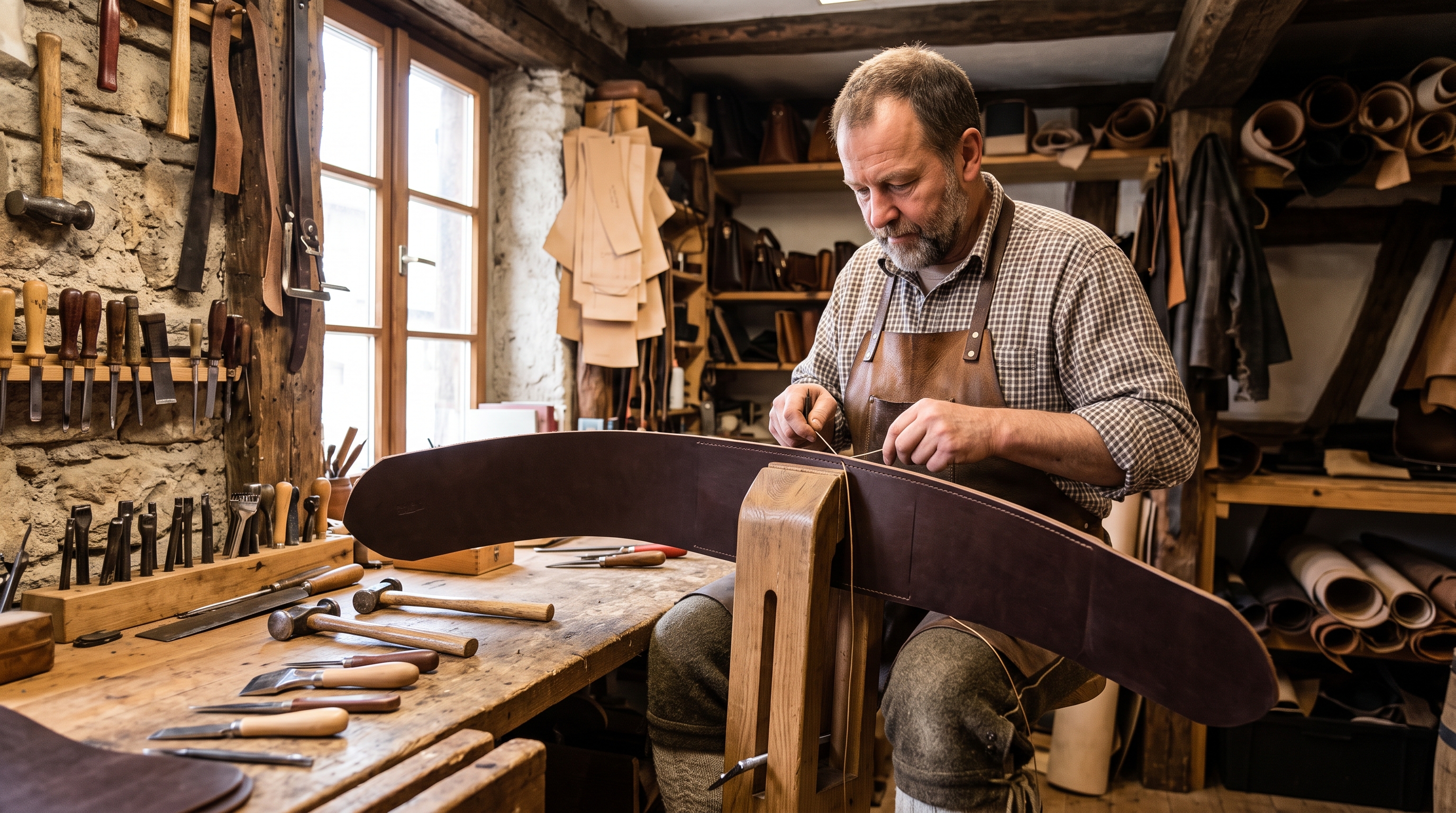
OEM leather manufacturing is the route serious brands use when they want their own product design made by a specialist factory instead of buying generic stock. In leather goods, the process is technical because every decision affects hand feel, durability, cost, lead time and the final retail presentation. A bag, wallet, belt or jacket may look simple from the outside, but the result depends on pattern engineering, leather selection, cutting yield, reinforcement, stitching, edge finishing, hardware setting, branding and final packing. For buyers in the UK, USA, Europe and other global markets, the safest approach is to treat OEM production as a controlled project, not a quick order.
The process begins with a clear brief. A good brief can be a full tech pack, a sample reference, a sketch, a CAD drawing or a group of images that explain silhouette, dimensions, function and finish direction. The factory then translates that brief into production language. This includes panel measurements, seam allowances, lining details, zip or buckle placement, logo position, reinforcement needs and packaging expectations. When the brief is incomplete, a professional manufacturer should ask questions before quoting because assumptions at this stage can become expensive corrections later.
1. Brief review and feasibility check
The first technical step is feasibility. The manufacturing team studies the product and checks whether the requested leather, construction, quantity and target price are aligned. A structured review covers intended use, buyer market, target retail level, minimum order quantity, durability expectations and launch deadline. For example, a laptop bag for a USA workwear brand needs different reinforcement and stress testing than a soft evening clutch for a boutique collection. A belt program has different leather thickness and cutting rules than a wallet program. The factory should identify these differences before any sample is made.
This is also where the buyer and factory discuss commercial boundaries. If the target price is fixed, the manufacturer can recommend leather grade, lining, hardware and packaging options that help reach that target without weakening the product. If premium quality is the priority, the team may recommend full-grain or top-grain leather, stronger thread, branded hardware, dust bags and carton specifications. The goal is not to make the cheapest version; the goal is to make the right version for the brand position.
2. Tech pack, pattern and material planning
A professional OEM project needs a technical record. Even when the first idea arrives as a photo, the approved design should become a document that includes measurements, material notes, component list, logo method, stitch color, edge color, hardware finish and packing method. This document protects both the buyer and the factory because it becomes the reference for sampling and bulk production. Without it, every revision becomes a memory test.
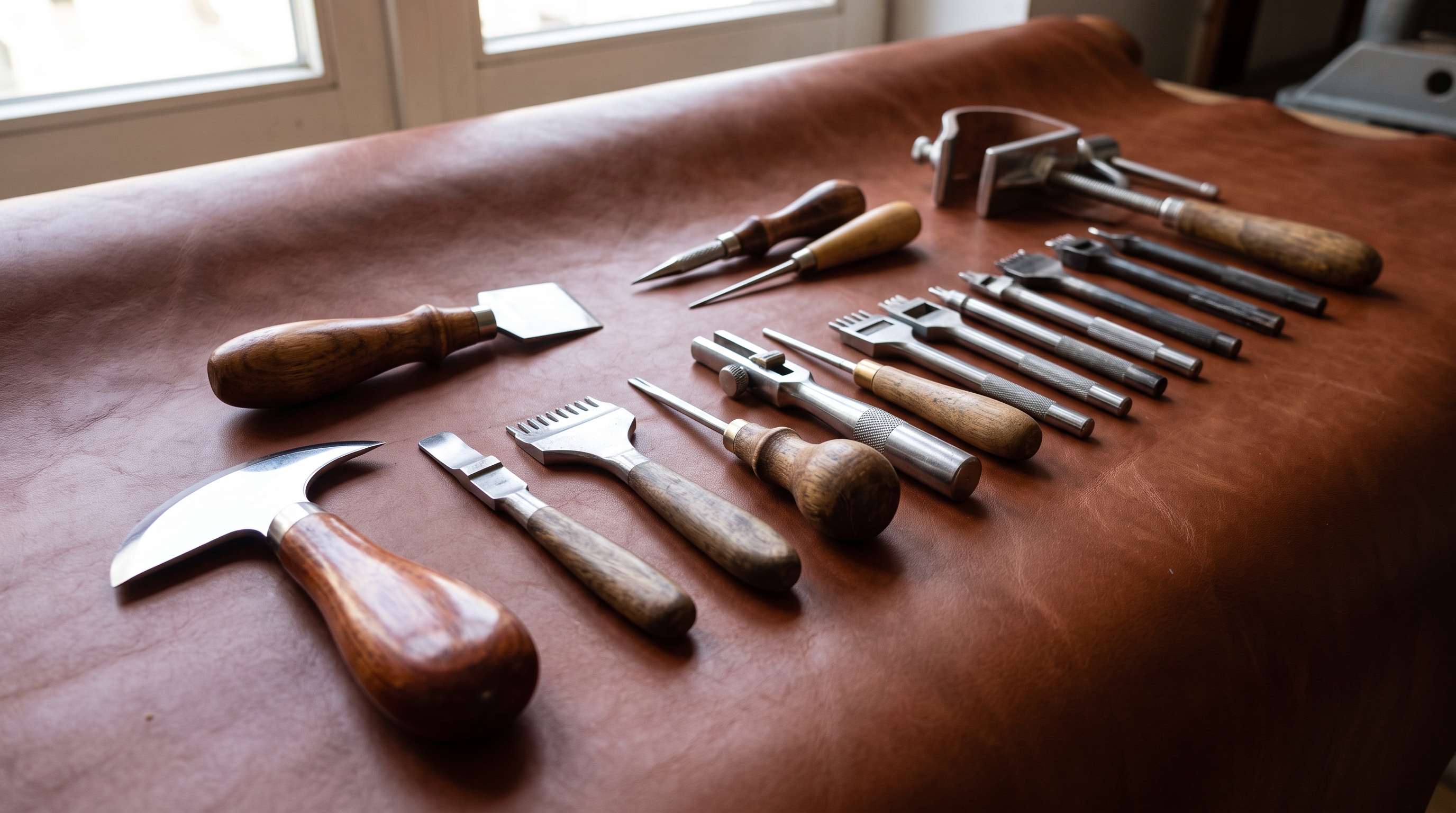
Pattern making is the bridge between design and production. Leather does not behave like fabric; it has thickness, stretch, grain direction, scars, color variation and cutting yield. Pattern engineers decide how panels should be shaped, where stress points need reinforcement and how leather pieces will fold or bend. A small change in gusset width, flap curve or handle drop can affect the entire feel of the product. This is why strong OEM factories review pattern logic before committing to bulk production.
3. Sampling and prototype correction
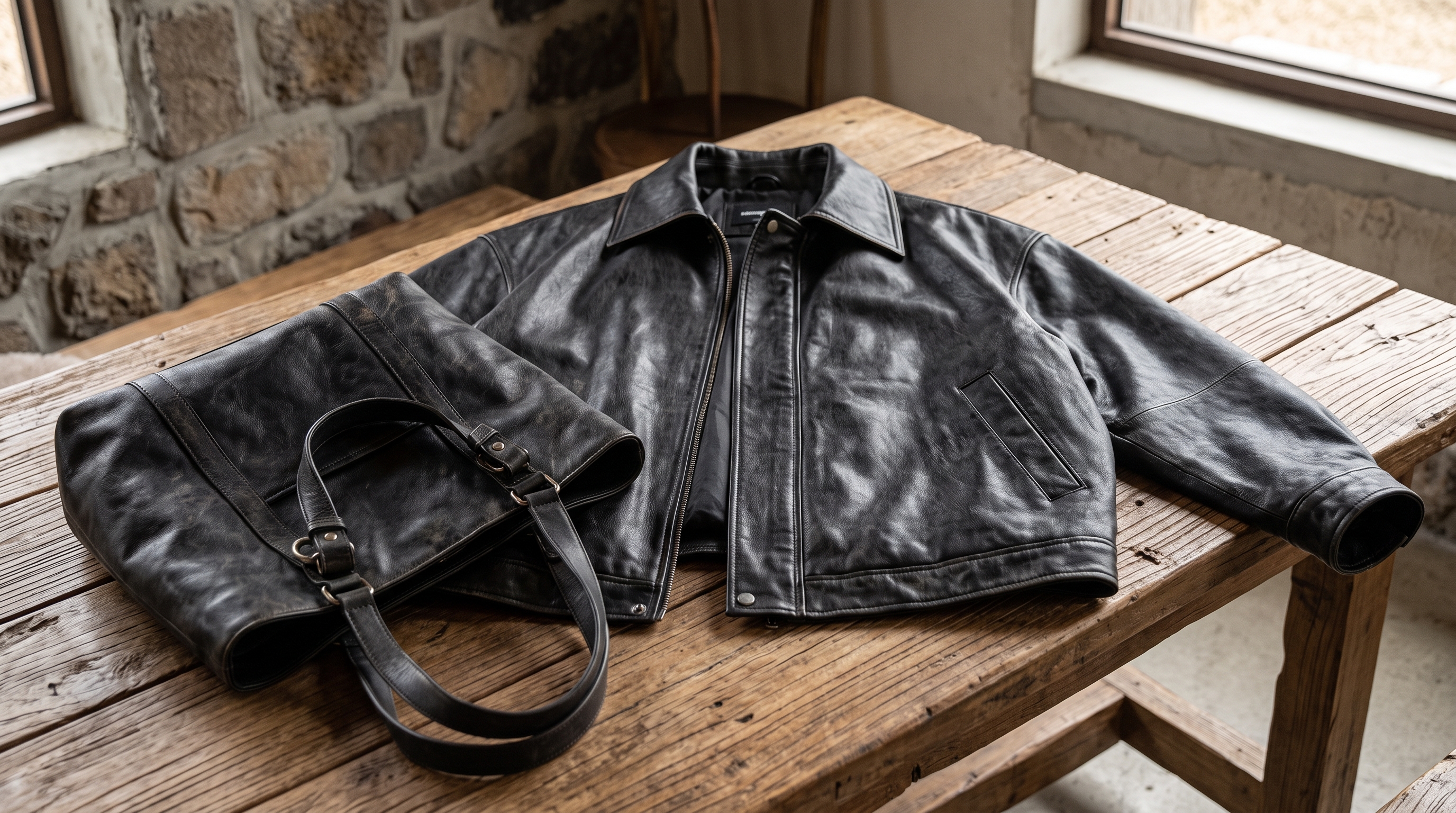
The first sample is not only a sales piece. It is a technical test. It checks whether the product can be made consistently, whether the dimensions feel right, whether the chosen leather suits the structure and whether hardware and branding are positioned correctly. Buyers should review the sample with a checklist instead of giving vague comments. Look at size, shape, hand feel, stitch balance, lining, pocket access, zipper movement, handle comfort, edge paint, logo depth and packaging presentation.
Many projects need a second sample. That is normal. The first sample reveals corrections; the second sample proves that the corrections work. A rushed buyer may skip this stage, but that increases the chance of bulk production problems. For private label and OEM leather goods, sample approval should be written and specific. Instead of saying "approved," the buyer should confirm material, color, hardware, logo method, dimensions and packaging. The more exact the approval, the easier it is for QC to protect the final result.
4. Bulk production control
Once the sample is approved, bulk production begins with material intake. Leather hides or panels should be checked for color, thickness, texture and defects. Hardware, lining, zippers, thread and labels should also be checked before cutting starts. Cutting is one of the most important cost and quality stages because leather has natural variation. A skilled cutting team avoids weak areas, balances grain direction and controls waste. Poor cutting can damage both appearance and durability.
After cutting, the product moves through skiving, reinforcement, assembly, stitching, edge finishing, branding, cleaning and packing. Each stage should have a quality checkpoint. The factory should not wait until final inspection to discover issues. If the stitch tension is wrong, if edge paint is not curing, if a buckle finish is inconsistent or if logo placement is drifting, the production manager should catch it early. Good OEM manufacturing is a sequence of small controls, not one final rescue attempt.
5. Quality control and export packing
Final QC checks the approved sample against bulk output. A practical leather goods inspection includes measurement tolerance, symmetry, stitching, edge finishing, lining attachment, pocket function, zipper movement, hardware setting, logo clarity, color matching, leather defects, odor, cleaning and packaging. For export orders, carton quality and labeling matter too. Products may travel through long shipping routes, warehouses and customs handling, so packing should be planned for protection, not just appearance.
Buyer tip: always ask the factory what is included in sampling, bulk production, QC and packing before comparing quotes. A low price without clear controls can become expensive after shipment.
How Wide Leather supports OEM buyers
Wide Leather supports OEM leather manufacturing for brands that need custom bags, wallets, belts, jackets and accessories built around their own design direction. Our team helps buyers move from brief to sample, from sample to bulk, and from bulk to export-ready dispatch. We can work with reference images, product sketches, tech packs and brand direction, then guide decisions around material, construction, MOQ, branding and packaging.
If you are preparing an OEM leather goods program for the UK, USA, Europe or another market, send a structured brief with product type, target quantity, leather preference, reference quality, logo method and launch timing. A clear first message helps the manufacturing team respond with realistic sampling steps, production timing and quote direction.